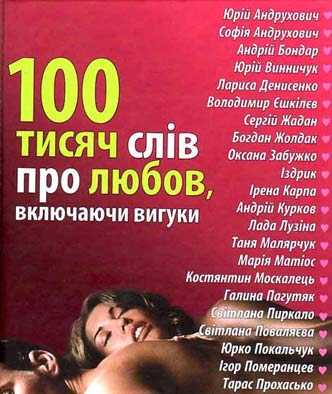
100,000 Words About Love, Including Exclamations
An anthology of 25 writers: stories, essays and lyrical texts on love, desire and intimacy. Its Ukrainian voices range from domestic fiction to an ironic primer and prayer.
In Whistle Stop, memory travels through stories and recipes; in Felix Austria, intimacy is entangled with service. This collection brings together different ways of writing about people, from short fiction to the thriller. Start with a book, then follow an essay’s particular reading question. A biographical portrait of Churchill adds another question: where does remembering a hero turn into political storytelling?
An anthology of 25 writers: stories, essays and lyrical texts on love, desire and intimacy. Its Ukrainian voices range from domestic fiction to an ironic primer and prayer.
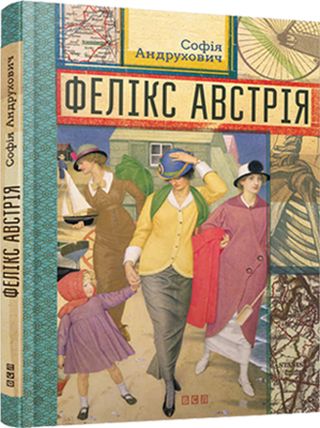
A Ukrainian novel set in Stanislaviv, told by Stefa, whose domestic work and devotion bind her to Adelia. Intimacy, inequality and an unreliable voice shape the story.
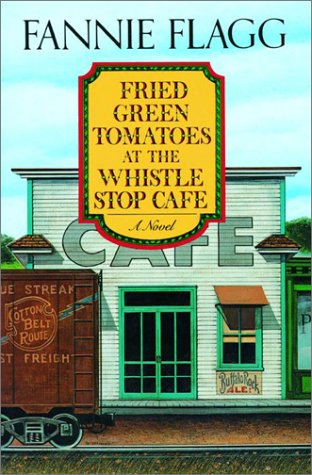
Fannie Flagg’s novel follows Idgie, Ruth, the Whistle Stop Cafe and Ninny Threadgoode’s meetings with Evelyn Couch. Dated scenes, conversations and local news items bring together friendship, memory and inequality. The source copy is in English; its publisher and year are unverified. The text contains racist language and depictions of discrimination.
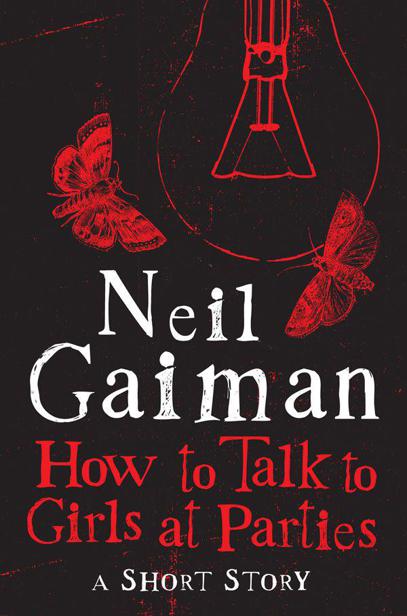
A short speculative story about two teenagers at an unfamiliar party. A separate English ebook edition of a story first collected in Fragile Things.
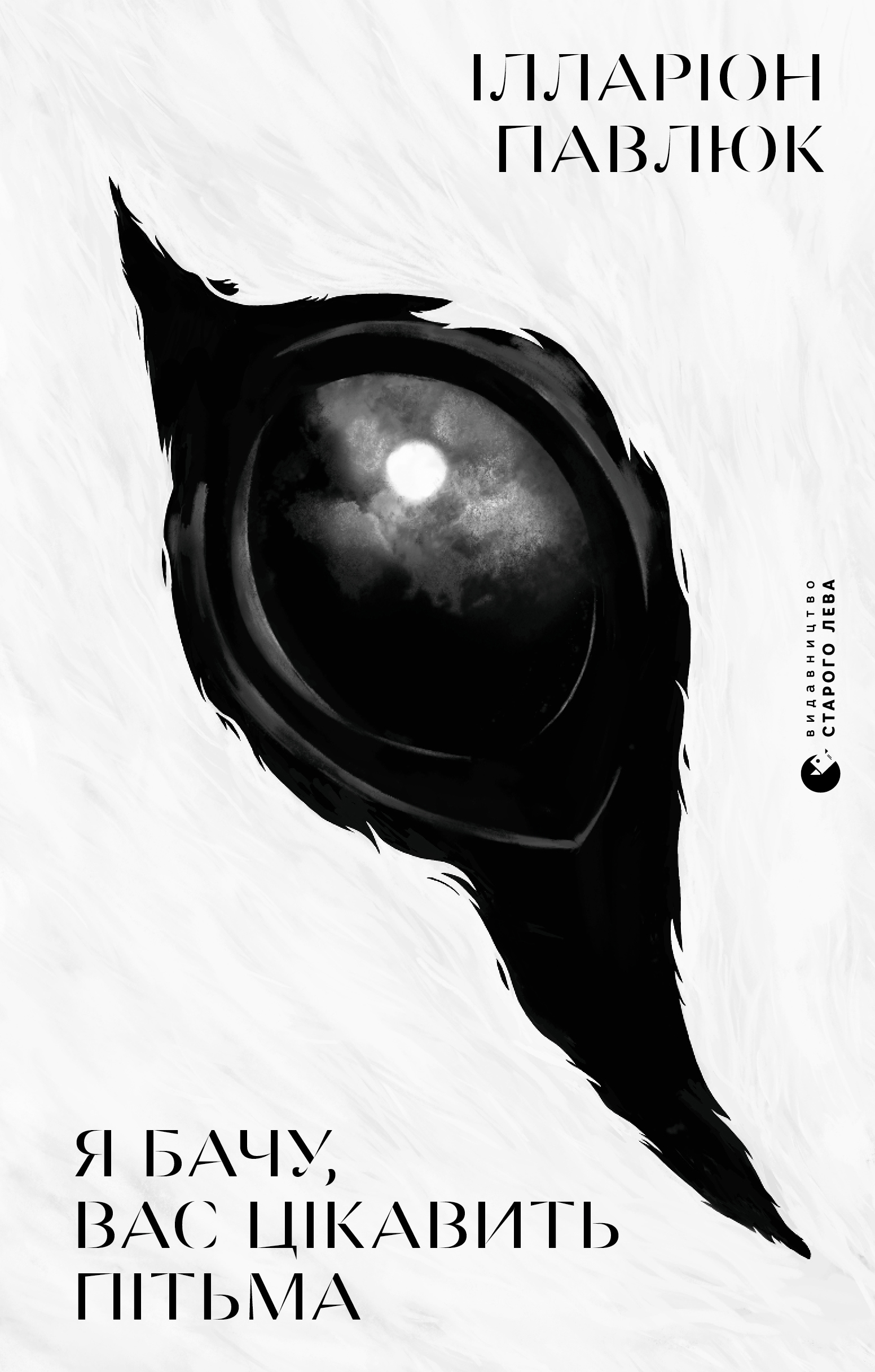
Criminal psychologist Andriy Haister arrives in Buskiv Sad to search for a missing child. Local indifference and his own doubts complicate a dark Ukrainian thriller with uncanny elements and graphic violence.
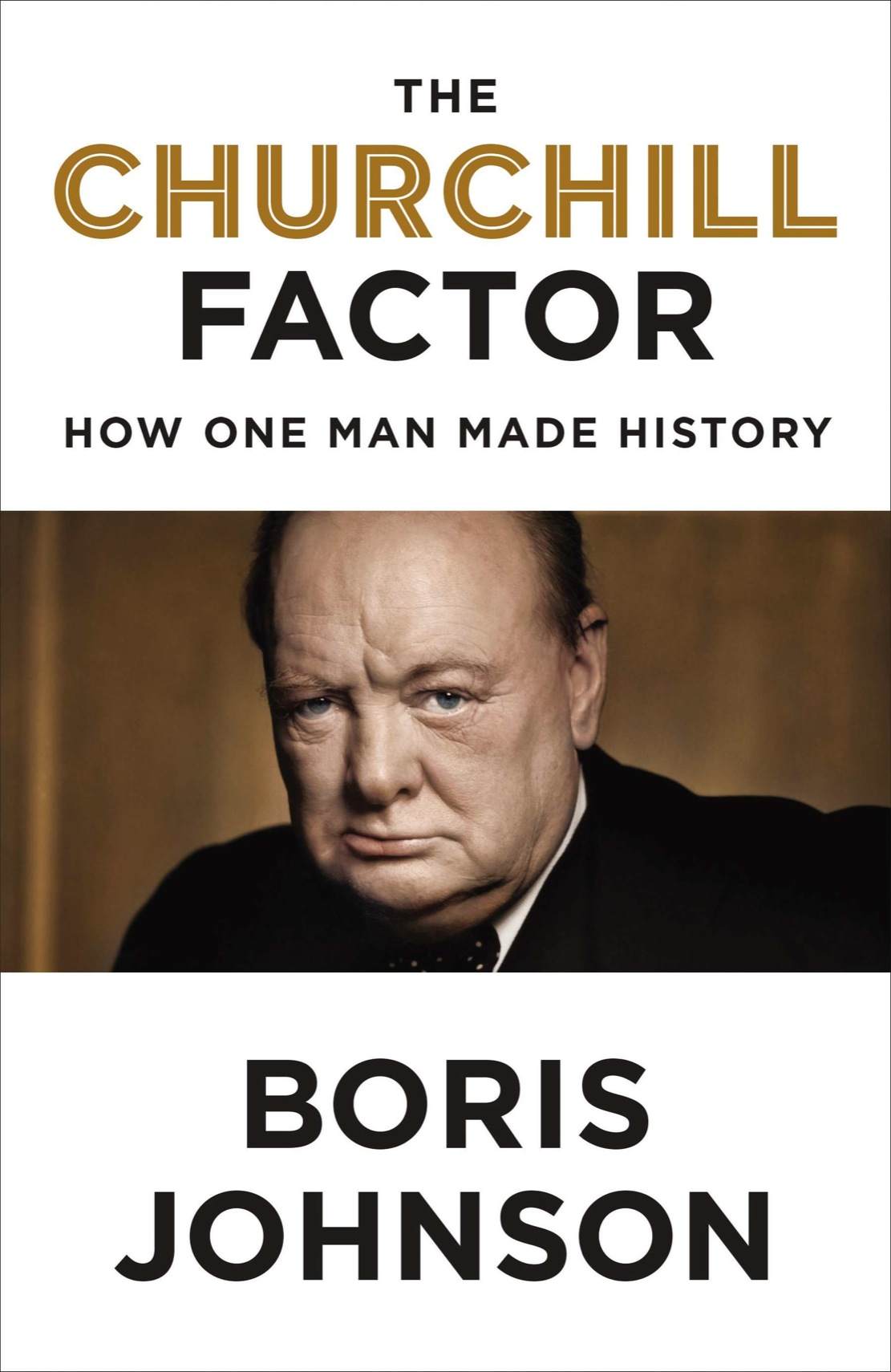
Boris Johnson explores the role of character and individual decisions in Winston Churchill’s life. His biographical portrait combines political scenes, humour, counterfactual reasoning and explicit admiration for its subject. The source is the English-language Riverhead Books ebook, copyright 2014.
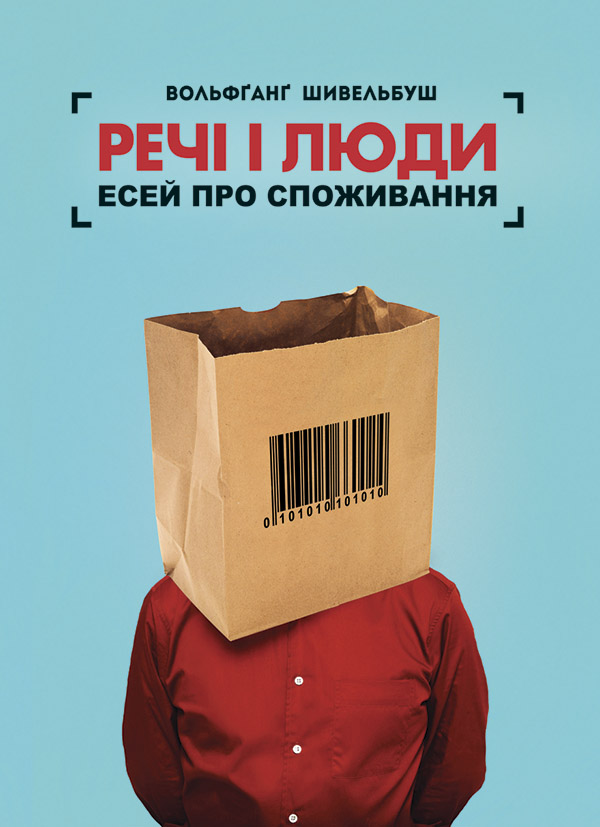
Wolfgang Schivelbusch’s essay explores consumption as a material relationship between people and things. Philosophical, economic and literary examples trace use, depletion and images of life in the world of objects. The source is the Ukrainian edition jointly published by Nika-Centre and Anetta Antonenko Publishers in 2018, verified against the publisher’s ISBN record. This English display title translates the Ukrainian title; it does not identify an English edition read here.